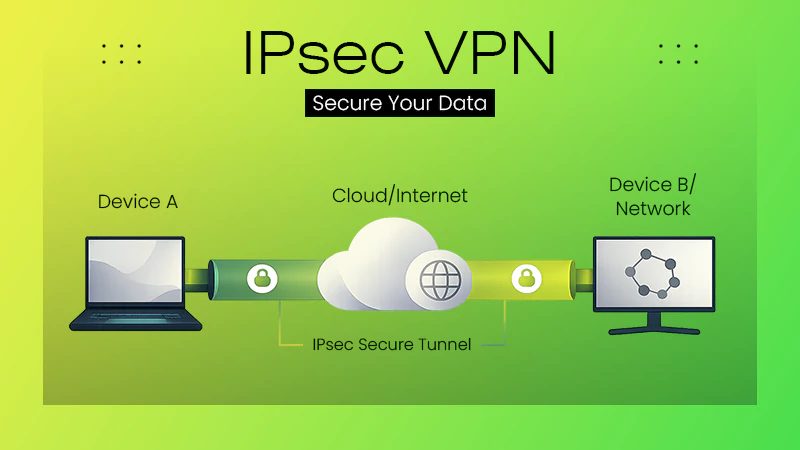
The main difference between a residential proxy and a VPN is that proxies strictly act as a gateway between the internet and the users; on the other hand, VPN traffic runs through an encrypted tunnel and the user’s device.
Residential Proxies vs VPNs: When to Use Eachfor Privacy, Performance, and Access
POST BY
PUBLISHED
January, 22, 2026
KEY TAKEAWAYS
- Understand what VPNs and residential proxies are and how they work
- Discover the key difference between these two
- Learn if it is possible to use both of them together
Did you know that 70% of internet users worry about online safety? Yes, this data is not quite shocking because, for a long time, we have been facing data breaches and cyber thefts, and worrying about data and online safety is becoming a necessity. So online privacy tools are no longer an option.
It doesn’t matter that you are browsing on public WiFi, accessing regionally restricted content, or doing big online research; to stay safe and unhindered, tools like residential proxies and VPNs are essential.
As both of these tools are often mentioned together, do they work the same? Well, the answer is they are built to protect you online, but their purposes are very different. Which is why it’s important to understand when to use each.
Continue with this guide and understand the difference between them, their power, limitations, and how you can choose the right tools for your work.
What Is a VPN and How Does It Work?
A VPN (Virtual Private Network) encrypts your internet traffic and routes it through a secure server. This hides your actual IP address and shields your information from hackers, trackers, and ISPs.
Key VPN advantages
- Encrypts all the internet traffic
- Protects the user’s data on public Wi-Fi
- Masks your actual IP address
- Give access to regionally restricted websites
- Easy setup for everyday users
VPNs are great for regular browsing, streaming, and online banking because their main purpose is privacy and security.
What Are Residential Proxies?
Residential proxies route your internet requests through real residential IP addresses assigned by internet service providers. These IPs are much more difficult for websites to identify or block because they usually look like typical home users.
Instead of encrypting all traffic like a VPN, residential proxies are typically used at the application level (browser, scraper, bot, automation tool).
Typical Residential Proxy Use Cases
- Web scraping and collection of data
- Tracking of SEO rankings from several locations
- Ad verification and fraud detection
- Market research and price monitoring
- Managing multiple accounts safely
Because the IP addresses are genuine and trustworthy, websites treat traffic from residential proxies as legitimate users.
Residential Proxies vs VPNs: Key Differences
| Feature | VPN | Residential Proxy |
| Primary Motive | Security and Privacy | Scalability and Access |
| Type of IP | Data center-based | Reliable residential IPs |
| Encryption | Yes | No |
| Detection Risk | Medium | Very low |
| Ideal for | Browsing, streaming | Automation and Scraping |
| Speed Control | Limited | High |
These differences explain why residential proxies stay functional on data-sensitive platforms while VPNs are often blocked.
When a VPN Is the Right Choice
VPNs are an ideal choice when your aim is personal privacy.
Turn on a VPN when:
- Using public Wi-Fi
- Accessing banking or personal accounts
- Safeguarding personal browsing activities
- Streaming content from some other country
- Preventing ISP tracking
VPNs offer a simple, secure solution that requires minimal setup for everyday users.
When Residential Proxies Are the Better Option
Residential proxies are built for scale, automation, and access reliability.
Residential proxies are useful when:
- Scraping large volumes of data
- Managing SEO tools across multiple locations
- Accessing region-specific SERPs
- Tracking competitors or verifying ads
- Managing multiple social or e-commerce accounts
Residential IPs, unlike VPN IPs, are rarely flagged because they behave like legitimate users. Platforms like Google, Amazon, and social networks trust them far more.
For a more in-depth breakdown of residential proxy use cases, setup methods, and provider comparisons, resources like BuyResidentialProxy.com provide detailed guides concentrated specifically on proxy-based workflows.
Can You Use a VPN and Residential Proxy Together?
Yes—and it makes sense in certain situations.
Advanced users, every so often:
- Connect to a VPN for encryption
- Use residential proxies inside browsers or tools.
This setup adds an extra privacy layer while keeping the benefits of residential IP access. However, it slows down the process and necessitates technical knowledge.
For most users, choosing one tool based on the task is simpler and more efficient.
VPN or Residential Proxy: How to Decide
Simply ask yourself a question:
Am I protecting myself, or am I accessing data at scale?
- If the answer is privacy, select a VPN.
- If the answer is data, automation, or access, pick residential proxies
Each tool addresses a different problem. Using the wrong one often leads to blocks, captchas, or poor performance.
Final Thoughts
VPNs and residential proxies are not competitors; rather, they are specialized tools designed to achieve different goals.
VPNs excel at personal security and privacy.
Residential proxies excel at large-scale access, automation, and bypassing detection.
You can select the appropriate tool, stay clear of pointless blocks, and use the internet more effectively if you are aware of this distinction.
What is the difference between a residential proxy and a residential VPN?
What are the three types of proxies based on level?
The three main proxies based on the anonymity level are transparent, anonymous (or distorting), and elite (or high anonymity).
How to identify residential proxies?
Identifying residential proxies includes steps like analyzing traffic behavior, technical signals, and IP reputation for inconsistencies.
What are the disadvantages of a VPN?
They can slow interest speed, increase the use of data, and set up complexity.
Related Posts