Begin with the vertical frame – generate in 9:16 or 1080×1920 – right orientation for Shorts/Reels/TikTok.
AI Video for YouTube Shorts, Reels, and TikTok: A Complete Guide
POST BY
PUBLISHED
January, 31, 2026
Tired of wasting days shooting for videos that don’t even go viral? It feels satisfying to put effort and creativity into videos, but when the results are not as expected – it feels bad. No more struggling – use AI for video generation.
Whether it’s your YouTube channel, Instagram handle or TikTok account – boost your video generation process with effective strategies including – attractive scripts, faceless videos and the right photos and images. It’s time to ditch long form videos and switch to short clips – generated using AI – to enhance and optimize production from scratch.
Excited to boost your account handle with AI videos? Go through this complete guide that will help you understand how you can use AI to generate YouTube Shorts, Reels and TikTok.
Why Does AI Matters?
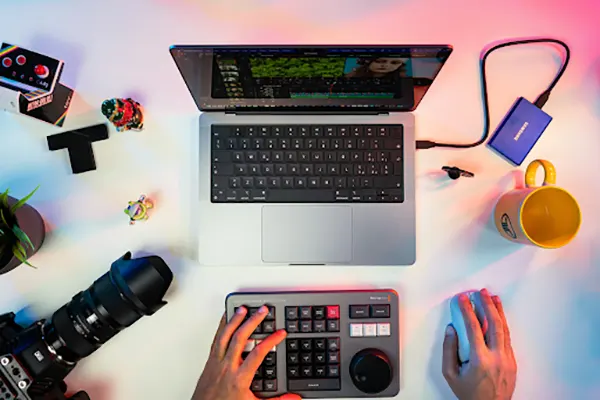
Creators who depend on personal editing often face a difficulty in: filming content, editing it, adding captions and music, and exporting take time. AI changes this by automating many steps behind the scenes –
- Turn scripts into visuals instantly
- Animate images or characters without motion footage
- Maintain consistent visual style across videos
- Use proven templates aligned with social trends
In essence, AI speeds up production while helping you experiment with styles and formats that are proven to work on vertical platforms.
Formats That Work Best on Short‑Form Platforms
Across YouTube Shorts, TikTok, and Reels, some formats continually encourage involvement:
1. Hook‑Heavy AI Videos
Start with clear hooks in the first 2–3 seconds — whether it’s a powerful visual, quick movement, or a bold text background.
2. Faceless Storytelling
Creators without images can use AI avatars, animated scenes, or interactive visuals to tell stories that don’t hinge on filmed clips.
3. Trend‑Adapted Templates
Templates that mimic trending aesthetics, transitions, and pacing significantly increase algorithmic performance.
Choosing the Right AI Video Workflows
There isn’t a single “one‑size‑fits‑all” tool for short‑form video creation — different use cases require different generation modes. Here’s how to think about them:
Text to Video
Convert scripts and concepts into animated video clips instantly. Ideal for explainer hooks, trend summaries, and story snippets.
Image to Video
Animate still visuals — useful for UGC‑style content, product shots, or animated thumbnails.
Reference to Video
Maintain visual consistency by telling the AI to generate new clips based on previously created assets or style guides.
Frames to Video
Use specific keyframes to create smooth and seamless motion between scenes — especially powerful when utilizing stills or custom artwork.
Each of these workflows opens different creative possibilities, and using them in combination helps you create various video contents that still feel connected across platforms.
Use Pollo AI as a Central Creation Hub
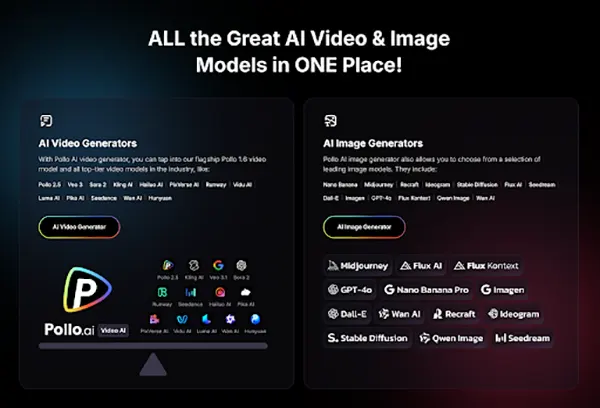
If you want a unified platform to handle all of the above without hopping between multiple apps, Pollo AI is one of the most versatile options available. As an all‑in‑one AI video creator, Pollo AI supports multiple generation workflows — including text to video, image to video, reference to video, and frames to video — all from a single workspace.
Pollo AI also gives you access to a vast set of top AI video models (like Veo3, RunwayML, Sora, and others), allowing you to work with various properties without hopping between the tools. Whether you need cinematic visuals or fast viral styles, having multiple models at your reach increases your creative range.
A big advantage for short‑form creators is Pollo AI’s template library — from high‑engagement formats to trend‑aligned effects like AI Kissing and other viral styles. These templates save time and help even beginner creators produce content that resonates with social audiences.
How to Make Short‑Form Videos That Grab Attention
Here’s a practical workflow you can follow:
- Define Your Hook
Write a concise, compelling opener that stops the scroll. Text prompts for AI generation should begin with that hook.
- Use Vertical Format First
Generate in 9:16 or 1080×1920 — the native orientation for Shorts/Reels/TikTok.
- Add Captions Early
Many viewers watch without sound, so auto‑generated subtitles boost retention.
- Leverage Trending Effects
Use movements, transitions, and trending audio to increase shareability.
- Batch Production
Create batches of AI video variants for testing — adjust scripts, visuals, and pacing based on early performance signals.
Tips for Staying Ahead in 2026
Post consistently: Short formats reward regular posting, so aim for a predictable cadence.
Experiment rapidly: Use different generation techniques (text prompts, image animation, reference motion) to see what resonates.
Monitor real performance: Watch retention metrics, audience response, and sharing behavior to refine your creative prompts.
Adapt trends quickly: Short‑form platforms evolve fast — tools with flexible templates and multi‑model support make trend adoption easier.
Conclusion
AI has provided a massive opportunity for creators who are willing to embrace AI powered workflows. The combination of monetizing capabilities, finding new algorithms and YouTube trends – makes it the right time to utilize AI videos to earn more, go viral and boost profiles.
Select a free tool and create a bunch of short form videos –and publish them continuously for almost a month and then analyze what performs the best.
Don’t rely on assumptions – set a right approach to data and scale what works for you.
Which format should be prioritized first for short videos?
Is it possible to generate a video from the text?
Yes – there are many AI tools available in the market that allow users to generate videos from text, images and frames.
How should we start a video?
The video should begin with a strong hook that will attract the viewers to watch more.
Related Posts